


Shop

Dreams as Portals (Accessing Multiple Dimensions)
History
The idea of dreams as portals has existed in many ancient cultures, particularly within Indigenous and shamanic traditions. Dreams were viewed as gateways to other realms or dimensions, where individuals could communicate with spirits, ancestors, or higher beings, and access hidden wisdom.
Description
Dreams as portals refer to the belief that during dreams, individuals can access other dimensions or realities. This concept suggests that through conscious dreaming or dream exploration, people can gain spiritual insight, communicate with guides or ancestors, and tap into different planes of existence.
Shilpa’s Role
Shilpa guides clients in exploring their dreams as portals to other dimensions. She helps them understand their dream experiences and teaches techniques for accessing other realms during sleep. Shilpa’s role is to empower her clients to use their dreams as tools for spiritual growth and self-discovery, facilitating deeper connections with other dimensions.

Dreams Interpretation Session
History
The interpretation of dreams has been practiced for millennia, from ancient Babylon and Egypt to modern psychology, where Sigmund Freud and Carl Jung developed theories around dream symbolism and the unconscious mind. Dreams have always been seen as windows into the soul or mind.
Description
A dream interpretation session involves analyzing the symbols, themes, and emotions in a client’s dream to gain insights into their subconscious mind or spiritual life. Dreams are often seen as reflections of inner thoughts, unresolved emotions, or messages from the higher self.
Shilpa’s Role
In dream interpretation sessions, Shilpa works with clients to uncover the deeper meaning of their dreams. Using her intuitive abilities, she helps them interpret symbols, emotions, and messages from their dreams, offering guidance on how these insights apply to their waking life. Shilpa’s role is to assist in translating the dream language into practical and spiritual wisdom.
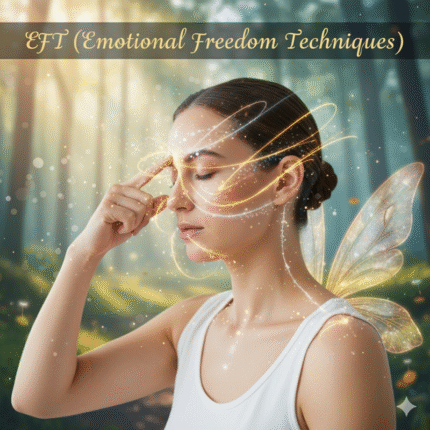
EFT (Emotional Freedom Techniques)
History
EFT, or Emotional Freedom Techniques, was developed in the 1990s by Gary Craig, a personal performance coach. It combines principles of traditional acupuncture with modern psychology, specifically tapping on acupressure points while focusing on emotional issues. The technique has gained recognition as a self-help tool for emotional and psychological challenges.
Description
EFT involves tapping on specific meridian points on the body while verbalizing a problem or negative emotion. This practice aims to release emotional blockages and promote healing. EFT is often used for anxiety, depression, phobias, and trauma, making it a versatile tool for emotional well-being.
Shilpa’s Role
Shilpa guides clients through the EFT process, helping them identify specific emotional issues and teaching them how to tap on the meridian points effectively. She provides support and encouragement throughout the session, allowing clients to release emotional burdens and achieve a sense of calm and clarity.

EFT Level 1 and 2 Training
1. Title and Theme
EFT Level 1 and 2 Training
2. Introduction
This training provides comprehensive instruction on Emotional Freedom Techniques (EFT) for emotional and physical healing. The aim is to equip participants with EFT skills for personal and professional use. An icebreaker will encourage participants to share their healing journeys.
3. Agenda
The agenda will cover the basics of EFT, advanced techniques, and practice sessions.
4. Content Delivery
Participants will learn about the foundations of EFT, tapping techniques, and their applications. Presentations will include demonstrations and practice scenarios.
5. Experiential Learning
Hands-on practice will involve EFT exercises, with reflection periods to process experiences. Feedback sessions will facilitate sharing insights.
6. Conclusion
The training will conclude with a summary of key concepts and resources for continued EFT practice.
7. Q&A Session
Participants will have the opportunity to ask questions and discuss their experiences during the Q&A.
8. Evaluation and Feedback
Evaluation forms will be collected to gauge the effectiveness of the training.
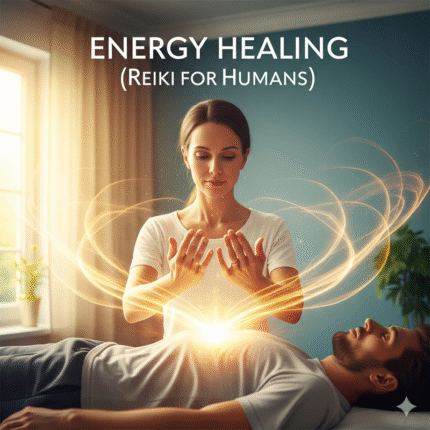
Energy Healing (Reiki for Humans)
History
Reiki originated in Japan in the early 20th century, founded by Mikao Usui. The practice combines ancient Tibetan healing techniques with elements of Buddhism. Reiki has since spread worldwide, becoming popular for its holistic approach to healing physical and emotional issues.
Description
Reiki is a form of energy healing where practitioners channel universal life force energy to promote healing and relaxation. The process often involves laying hands on or near the recipient to facilitate the flow of energy, helping to release blockages and restore balance.
Shilpa’s Role
As a Reiki practitioner, Shilpa channels healing energy to her clients during sessions. She assesses their energy needs and uses hand placements to facilitate healing. Shilpa’s role is to create a safe and nurturing environment, enabling clients to relax and receive the benefits of Reiki healing.
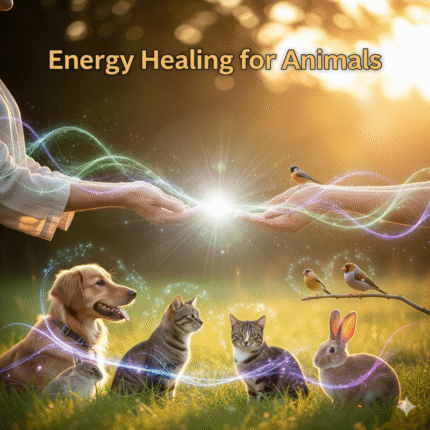
Energy Healing for Animals
History
Energy healing for animals is rooted in various traditional practices, including Chinese medicine and shamanic healing. While animal healing has been practiced for centuries, modern approaches like Reiki and therapeutic touch have gained popularity in recent years as holistic alternatives to veterinary care.
Description
Energy healing for animals involves techniques such as Reiki, chakra balancing, or crystal healing to promote physical, emotional, and spiritual well-being. Practitioners use gentle touch or distance healing to help animals recover from injuries, relieve stress, and enhance their overall quality of life.
Shilpa’s Role
Shilpa works with animals using energy healing techniques tailored to their unique needs. She assesses the animal’s energy and uses her intuitive abilities to facilitate healing. Shilpa’s role is to create a calming environment for the animal, helping them feel safe and supported during the healing process.

Energy Protection Techniques Training
1. Title and Theme
Energy Protection Techniques Training
2. Introduction
This training focuses on techniques for protecting one’s energy in daily life and during healing sessions. The objective is to equip participants with effective methods for maintaining energetic boundaries. An icebreaker will encourage sharing experiences of energy sensitivity.
3. Agenda
The agenda will cover energy protection principles, techniques, and practice sessions.
4. Content Delivery
Participants will learn about different energy protection methods and their applications. Presentations will include demonstrations and real-life scenarios.
5. Experiential Learning
Hands-on practice will involve exercises for establishing energetic boundaries, with reflection periods to process experiences. Feedback sessions will facilitate sharing insights.
6. Conclusion
The training will conclude with a summary of key techniques and resources for ongoing energy protection practice.
7. Q&A Session
Participants will have the opportunity to ask questions and discuss their experiences during the Q&A.
8. Evaluation and Feedback
Evaluation forms will be collected to gather feedback on the training.
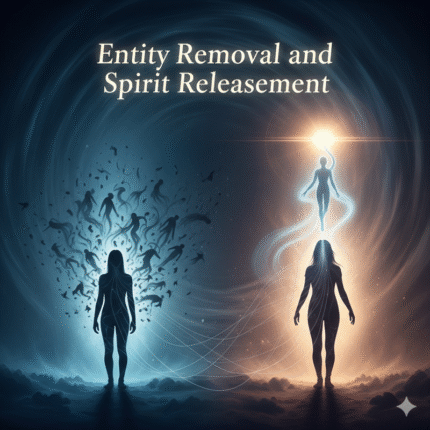
Entity Removal and Spirit Releasement
History
Entity removal and spirit releasement practices have deep roots in spiritual and shamanic traditions, where practitioners have long recognized the impact of negative entities or spirits on individuals. These techniques have evolved and been integrated into modern energy healing practices.
Description
Entity removal involves identifying and releasing negative entities or energies attached to a person. This process can include rituals, energy clearing, and spiritual communication to ensure the entity is released safely. Spirit releasement focuses on helping spirits move on to the next realm, promoting healing for both the individual and the spirit.
Shilpa’s Role
Shilpa facilitates entity removal and spirit releasement sessions, using her intuition and spiritual tools to identify negative attachments. She guides the client through the process of releasing these energies, ensuring a safe and respectful approach. Shilpa’s role is to support healing and create space for positive energy to flow.
Esoteric Numerology Workshops
1. Title and Theme
Esoteric Numerology Workshops
2. Introduction
These workshops explore the mystical aspects of numerology and its applications for personal insight. The objective is to help participants understand the significance of numbers in their lives. An icebreaker will encourage sharing personal connections to numbers.
3. Agenda
The agenda will cover the basics of numerology, interpretations of key numbers, and group exercises.
4. Content Delivery
Participants will learn about core numerological principles and how to calculate personal numbers. Presentations will include interpretations and case studies.
5. Experiential Learning
Hands-on practice will involve analyzing personal numerology charts, with reflection periods to process insights. Feedback sessions will facilitate sharing and learning.
6. Conclusion
The workshops will conclude with summaries of key concepts and suggestions for continued study.
7. Q&A Session
Participants will have the opportunity to ask questions and discuss their experiences during the Q&A.
8. Evaluation and Feedback
Evaluation forms will be collected to gauge the effectiveness of the workshops.

Fire-walk Training
1. Title and Theme
Fire-walk Training
2. Introduction
This training offers a transformative experience through the ancient practice of fire-walking. The objective is to help participants overcome fears and achieve personal breakthroughs. An icebreaker will set a supportive tone for the training.
3. Agenda
The agenda will include discussions on the philosophy behind fire-walking, safety practices, and preparation activities.
4. Content Delivery
Participants will learn about the history and significance of fire-walking. Presentations will cover safety measures and mental preparation techniques.
5. Experiential Learning
Hands-on practice will involve guided preparations for the fire-walk experience, with reflection periods to process emotions. Feedback sessions will facilitate sharing insights and breakthroughs.
6. Conclusion
The training will conclude with a summary of experiences and suggestions for integrating the lessons learned.
7. Q&A Session
Participants will have the opportunity to ask questions and discuss their experiences during the Q&A.
8. Evaluation and Feedback
Evaluation forms will be collected to gauge the effectiveness of the training.
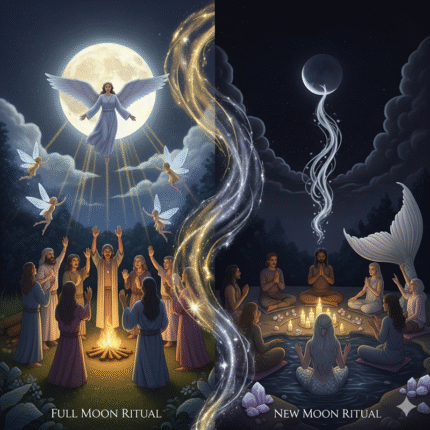
Full Moon & New Moon Rituals
History
Full moon and new moon rituals have ancient roots, with various cultures celebrating lunar cycles as times for reflection, intention-setting, and release. These rituals are often tied to agricultural practices and spiritual beliefs, fostering a deep connection to nature.
Description
Full moon and new moon rituals involve gatherings where participants engage in practices such as meditation, intention-setting, or releasing rituals. These gatherings help participants connect with the lunar energy, providing a space for reflection, manifestation, and gratitude.
Shilpa’s Role
Shilpa leads full moon and new moon rituals, guiding participants through specific practices aligned with the lunar cycle. She creates a sacred space for participants to connect with the energy of the moon and each other. Shilpa’s role is to facilitate intention-setting and personal growth during these powerful lunar phases.

Gratitude Circle
History
Gratitude circles have emerged as a modern practice rooted in ancient traditions of thanksgiving and appreciation. These gatherings cultivate a sense of community and connection through shared expressions of gratitude, fostering emotional well-being.
Description
In a gratitude circle, participants take turns sharing what they are grateful for, creating a positive and uplifting atmosphere. This practice encourages reflection on abundance and fosters deeper connections among participants.
Shilpa’s Role
Shilpa facilitates gratitude circles, guiding participants in expressing their gratitude and sharing personal stories. She creates a warm and supportive environment, promoting emotional connection and positivity. Shilpa’s role is to inspire participants to embrace gratitude and enhance their sense of community.